In today’s fast-paced digital world, businesses whether small startups or large enterprises rely heavily on technology to stay competitive. Having the right IT equipment and consumables is critical for boosting productivity, ensuring smooth operations, and minimizing downtime. This article explores the essential IT equipment for businesses, breaking it down for both small and large organizations, while highlighting the must-have IT tools to optimize efficiency.
Why IT Equipment Matters for Business Efficiency
Investing in the right IT infrastructure is no longer optional it’s a necessity. From hardware like computers and servers to consumables like printer ink and cables, these tools keep your operations running seamlessly. According to recent studies, businesses with up-to-date IT solutions experience 20-30% higher productivity compared to those using outdated systems. Whether you’re a small business owner or managing a large corporation, understanding your essential IT needs can save time, reduce costs, and improve performance.
Core Computing Equipment
- Workstations and Computers
- Desktop computers for stationary workers
- Laptops for mobile workforce
- All-in-one computers for space efficiency
- Monitors and Displays
- Dual monitor setups for improved productivity
- High-resolution displays for design work
- Video conferencing screens
Must-Have IT Equipment for Small Businesses
Small businesses often operate on tight budgets, making it crucial to prioritize cost-effective IT equipmentthat delivers maximum value. Here’s a breakdown of the essentials:
- Computers and Laptops
- Why it’s Essential: The backbone of any business, computers or laptops handle everything from email communication to invoicing and project management.
- Recommendation: Look for devices with at least 8GB RAM, an SSD, and a reliable processor (e.g., Intel i5 or AMD Ryzen 5) to ensure speed and multitasking.
- High-Speed Internet Router
- Why it’s Essential: Reliable internet is non-negotiable for cloud-based tools, video conferencing, and online transactions.
- Recommendation: Invest in a dual-band Wi-Fi 6 router for faster speeds and better coverage.
- Multifunction Printer
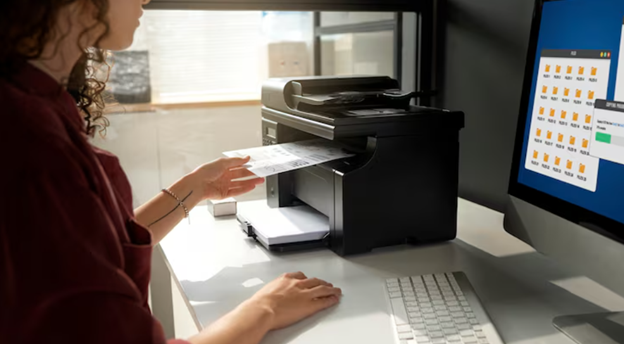
- Why It’s Essential: Printing, scanning, and copying are still vital for contracts, invoices, and marketing materials.
- Recommendation: Opt for an all-in-one inkjet or laser printer with wireless capabilities.
- External Hard Drive or Cloud Storage
- Why it’s Essential: Data backups protect against hardware failure or cyber-attacks.
- Recommendation: A 1TB external drive or a subscription to services like Google Drive or Dropbox.
- Basic Networking Gear (Switches and Cables)
- Why it’s Essential: Connects multiple devices for seamless file sharing and communication.
- Recommendation: A 5-port Ethernet switch and Cat6 cables for reliable connectivity.
Consumables for Small Businesses
- Printer Ink/Toner: Stock up on compatible cartridges to avoid downtime.
- Paper Supplies: Keep a steady supply of A4 paper for printing needs.
- Cables and Adapters: HDMI, USB, and power cords are often overlooked but essential
Must-Have IT Equipment for Large Businesses
Large businesses require scalable, robust IT systems to manage complex workflows and larger teams. Here’s what you need:
1. Enterprise-Grade Servers
- Why it’s Essential: Servers host websites, store data, and run critical applications for multiple users.
- Recommendation: Consider rack-mounted servers like Dell PowerEdge or HP Pro Liant with virtualization support.
2. Workstations and Monitors
- Why it’s Essential: High-performance workstations are ideal for design, engineering, or data-heavy tasks.
- Recommendation: Systems with 16GB+ RAM, dedicated GPUs, and dual-monitor setups for multitasking.
3. Advanced Networking Equipment
- Why it’s Essential: Ensures fast, secure connections across departments and locations.
- Recommendation: Managed switches, firewalls (e.g., Cisco or Fortinet), and enterprise-grade Wi-Fi access points.
4. Uninterruptible Power Supply (UPS)
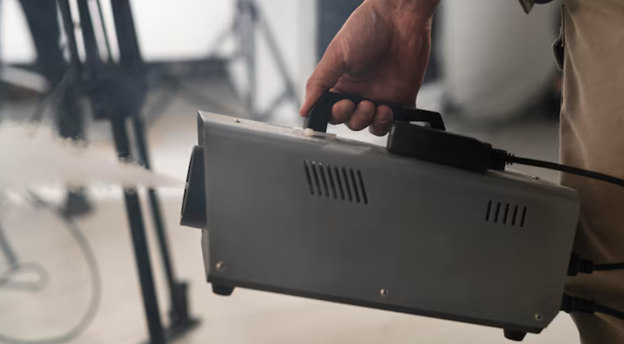
- Why it’s Essential: Prevents data loss and equipment damage during power outages.
- Recommendation: A UPS with enough capacity to support servers and key devices for at least 15-30 minutes.
5. Video Conferencing Systems
- Why it’s Essential: Facilitates remote collaboration and client meetings.
- Recommendation: Tools like Zoom Rooms or Cisco WebEx with high-quality cameras and microphones.
Consumables for Large Businesses
- Toner Cartridges: High-yield options for heavy printing demands.
- Server Maintenance Kits: Fans, thermal paste, and replacement drives.
- Cable Management Supplies: Velcro ties and racks for organized wiring.
Key Differences between Small and Large Business IT Needs
| Aspect | Small Business | Large Business |
| Budget | Cost-focused, entry-level gear | Higher investment in scalable tech |
| Scale | 1-10 users, single location | 50+ users, multiple sites |
| Complexity | Basic networking and software | Advanced IT infrastructure |
| Support | Limited in-house IT or outsourcing | Dedicated IT teams |
Top Tips for Choosing IT Equipment
- Assess Your Needs: Identify workflows (e.g., remote work, data storage) to determine essential IT tools.
- Prioritize Scalability: Choose equipment that grows with your business.
- Focus on Reliability: Invest in trusted brands to minimize downtime.
- Plan for Consumables: Stockpile essentials like ink and cables to avoid disruptions.
- Stay Updated: Regularly upgrade hardware and software to maintain business efficiency.
Maintenance and Support

Remember to consider these ongoing requirements:
Regular maintenance schedules
Technical support contracts
Equipment warranties
Upgrade planning
Investment Considerations
When budgeting for IT equipment, consider:
Total cost of ownership (TCO)
Scalability requirements
Energy efficiency
Future compatibility
Whether you’re running a small startup or a large enterprise, investing in the right IT equipment and consumables is crucial for maintaining competitive advantage in today’s digital landscape. Small businesses can thrive with affordable, versatile tools like laptops and multifunction printers, while large organizations need robust enterprise IT solutions like servers and advanced networking gear. By investing in these must-have IT essentials, you’ll set your business up for long-term success.
Remember to regularly review and update your IT infrastructure to keep pace with technological advancements and growing business needs.