Ultimate Guide to Choosing Cost-Effective and Durable Industrial Equipment for Your
Business Success
In today’s competitive industrial landscape, Investing in the right industrial equipment is one of a business’s most important decisions that can impact productivity, efficiency, and profitability. Whether you’re running a manufacturing plant, a construction firm, or a logistics operation, investing in cost-effective industrial equipment and durable industrial tools is critical to ensuring productivity, safety, and long-term profitability. But with so many available options, how do you choose equipment that truly fits your specific business needs?
In this guide, we’ll walk you through the essential factors to consider when selecting industrial equipment and how to make informed, cost-effective decisions for your operation.
Importance of Cost-Effectiveness in Industrial Equipment
Industrial equipment is often a significant capital investment. Poor purchasing decisions can lead to operational downtime, high maintenance costs, and safety risks. The right equipment ensures:
- Improved productivity
- Lower operational costs
- Enhanced safety compliance
- Longer service life
Why Choosing the Right Equipment Matters
Whether you’re managing a manufacturing plant, a construction site, or a logistics hub, the tools and machinery you use have a direct impact on your operational efficiency. The wrong equipment can lead to downtime, safety hazards, and wasted investments.
Assess Your Business Requirements
Before diving into the market for heavy-duty equipment, take a step back and evaluate your operational needs. What tasks are you aiming to accomplish? Are you looking for industrial tools for manufacturing, construction equipment, or specialized machinery for a niche industry? Understanding your workflow and production goals will help you narrow down the options. For example, a business focused on precision might prioritize industrial-grade tools with advanced features, while a startup might seek affordable yet reliable business equipment solutions
Before making a purchase, identify your specific operational needs. Consider the following:
- What is the primary function of the equipment?
- What capacity or output do you need?
- Will you require specialized features?
- Is it compatible with your existing systems?
This step ensures you’re not over-investing in features you don’t need or underestimating future growth.
Consider Prioritizing Equipment Quality and Durability
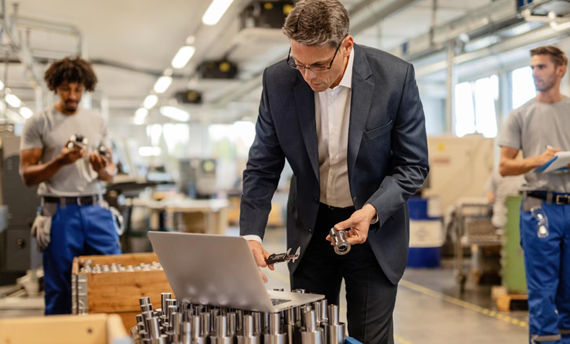
When it comes to industrial equipment selection, durability is non-negotiable. High-quality tools and machinery reduce downtime, lower maintenance costs, and ensure consistent performance. Look for durable industrial tools made from robust materials like stainless steel or reinforced alloys. Check product specifications, customer reviews, and certifications to gauge longevity. While upfront costs for reliable industrial machinery industrial diesel supplier Nigeria
may be higher, the long-term savings from fewer repairs and replacements make it a smart investment. Durability is especially crucial in harsh working environments where equipment is subjected to constant wear and tear. Opt for machines made from robust materials and designed to withstand your industry’s demands, whether it’s extreme temperatures, heavy loads, or continuous operation
Investing in high-quality, durable equipment can save you money in the long run. Look for:
- Trusted manufacturers
- Equipment with warranties and after-sales support
- Machines made from high-grade materials
Durability leads to reduced downtime and lower repair costs, saving you money over time.
Focus on Cost-Effectiveness
Balancing cost and quality is a key challenge for any business. Cost-effective industrial equipment doesn’t mean opting for the cheapest option it’s about finding tools that offer the best value over time. Consider factors like energy efficiency, warranty periods, and scalability. For instance, energy-efficient industrial tools can cut operational costs significantly, especially for businesses with high energy demands. Compare prices from multiple suppliers and explore financing options or leasing programs to make affordable industrial equipment accessible without compromising quality.
While upfront cost is important, it’s critical to consider the total cost of ownership (TCO), which includes:
- Maintenance expenses
- Energy efficiency
- Spare parts availability
- Training requirements
A slightly more expensive machine with better energy ratings and lower maintenance needs may be the smarter choice in the long run.
Consider Cost and ROI
Budget is a key factor in any equipment# equipment decision, but it’s important to look beyond the initial price tag. Calculate the return on investment (ROI) by factoring in maintenance costs, lifespan, and productivity gains. Financing options, leasing, or purchasing used equipment can also make high-quality machinery more affordable. Compare quotes from multiple suppliers and negotiate for the best deal without sacrificing quality.
Evaluate Safety Features

Safety is non-negotiable in industrial settings. . When selecting industrial tools and equipment, prioritize models with built-in safety mechanisms such as emergency shutoffs, ergonomic designs, and compliance with industry standards (e.g., OSHA regulations). Investing in safe industrial equipment not only protects your workforce but also minimizes liability and downtime due to accidents. Training your team on proper usage is equally important to maximize safety and performance.
Test Before You Invest
Whenever possible, test the equipment before making a purchase. Many suppliers offer trial periods or demo units. This hands-on approach lets you assess whether the industrial machinery for businesses meets your performance expectations. Pay attention to ease of use, maintenance requirements, and compatibility with existing systems.
Plan for Maintenance and Support
Even the most durable industrial equipment requires regular maintenance to perform at its best. Choose tools with accessible spare parts and straightforward servicing procedures. Factor in maintenance costs and downtime when calculating the true cost of ownership. Some suppliers offer maintenance packages, which can be a cost-effective way to keep your industrial tools for manufacturing in top shape.
Seek Expert Advice
If you’re unsure where to start, consult with industry experts or equipment suppliers. They can provide insights tailored to your sector, recommend models, and even offer demonstrations. Attending trade shows or networking with peers can also uncover valuable recommendations and emerging trends in industrial tools.
Choosing the right industrial equipment for your business is a strategic decision that impacts efficiency, safety, and profitability. By assessing your needs, prioritizing durability, and researching cost-effective industrial tools, you can build a reliable operation that stands the test of time. Partner with trusted industrial equipment suppliers, plan for scalability, and never compromise on safety. The right machinery isn’t just a purchase it’s an investment in growth, safety, and efficiency. Ready to find the perfect equipment for your operations? Start by identifying your business goals and matching them with the right tools for the job